Collective Biographies of Women
Alison Booth
-
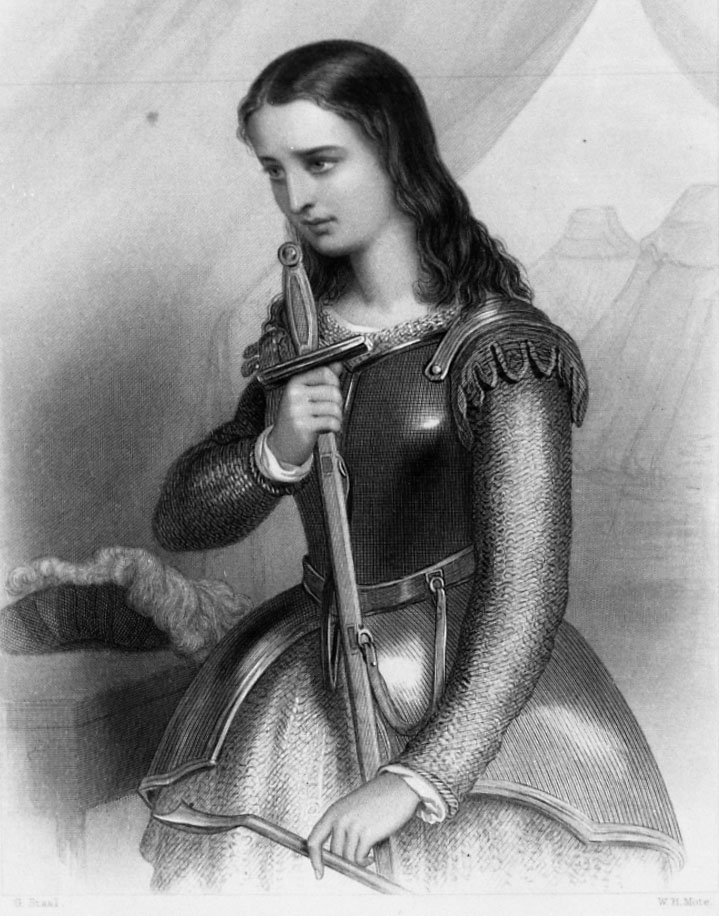 Joan of Arc as Victorian heroine: as if praying before battle with cross-like sword, crinoline and corset beneath armor.
 -
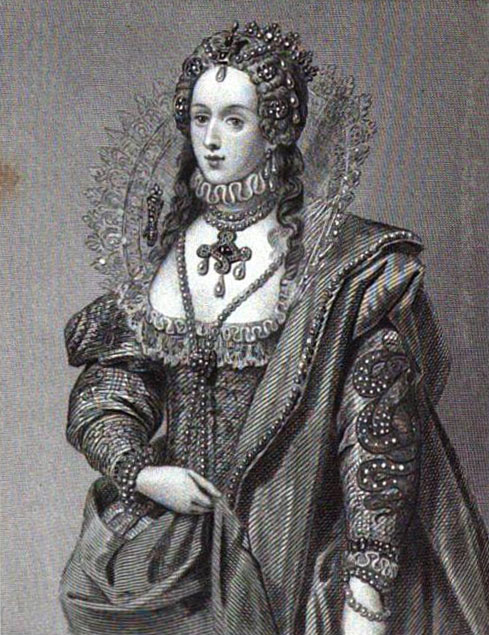 Queen Elizabeth I tends to get better or worse press in comparison to her Catholic sister Mary or her captive, Mary Queen of Scots; Victorians begin to praise a great monarch who inspired a golden age.
 -
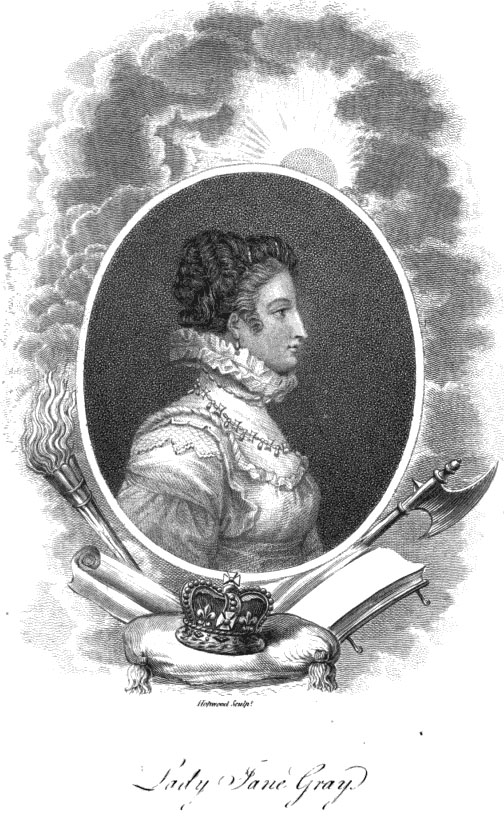 Lady Jane Grey, queen regnant of England for less than two weeks, too little time to become a blameworthy ruling woman.
 -
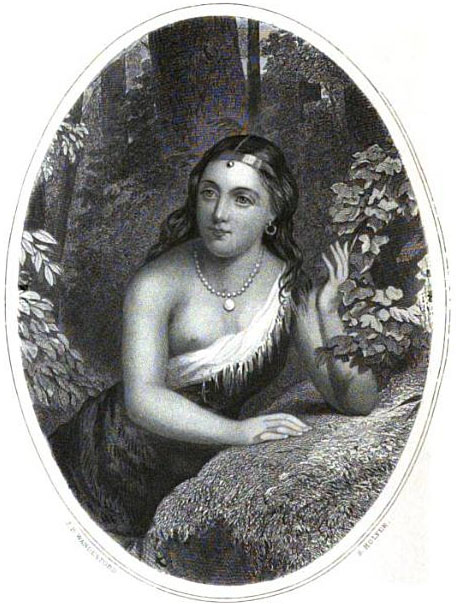 Pocahontas alone represents Native Americans in these books but she joins others as a leader's daughter, a Christian convert, and a rescuer of a man.
 -
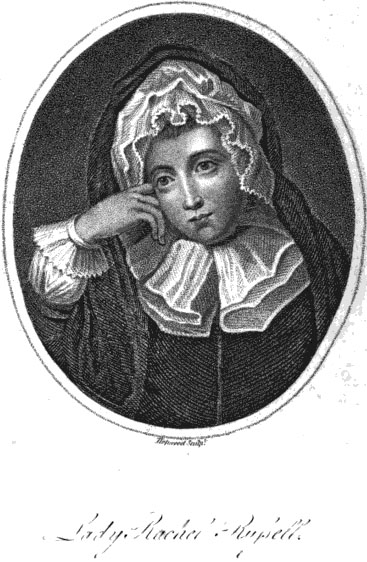 Lady Rachel Russell, now admired for letters and memoirs, served as clerk in her husband's trial for treason against Charles II; Victorians admired her wifely heroism.
 -
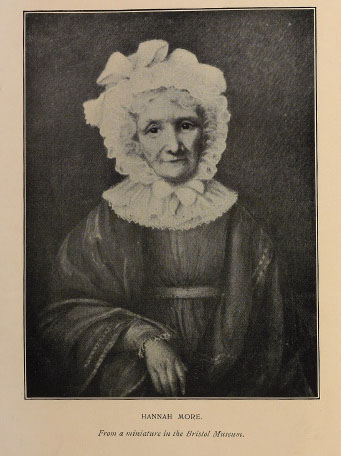 Hannah More, bluestocking and eminent conservative educator, by any lights was a model for nineteenth-century women writers.
 -
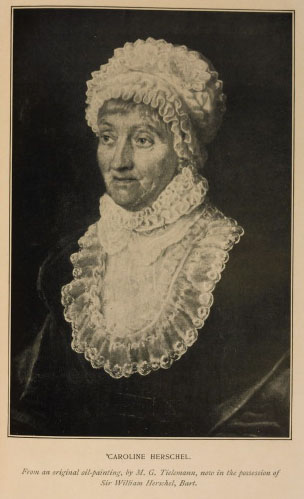 Caroline Herschel, astronomer, in some ways shares features with Mary Somerville.
 -
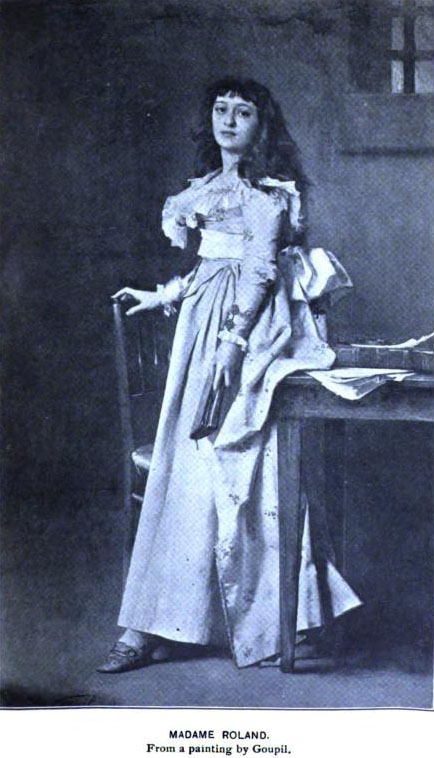 Madame Roland in hopeful times; a heroine of the French Revolution admired in England for her sufferings in prison and the respect she earned from learned men.
 -
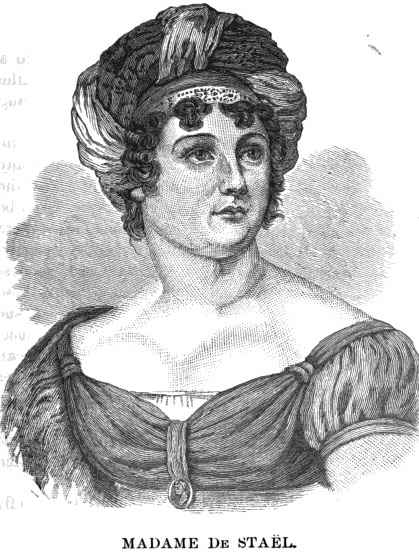 Madame de Staël, preeminent woman writer, heroine of the French Revolution.
 -
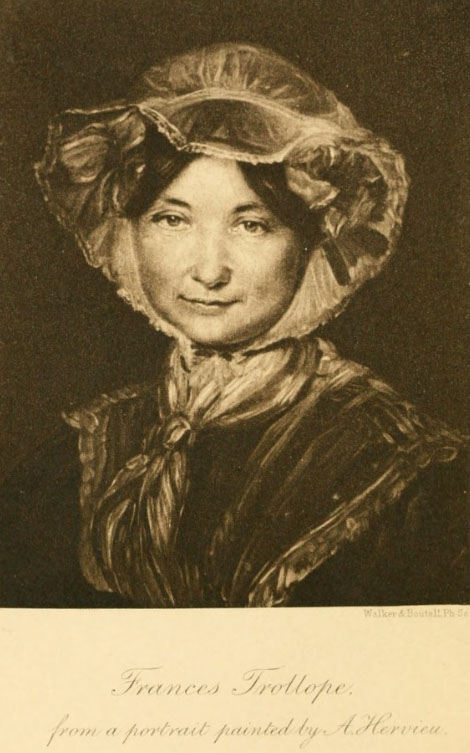 Frances Trollope, prolific novelist and travel writer, was the venturesome provider for her husband and sons, including Anthony, also a novelist.
 -
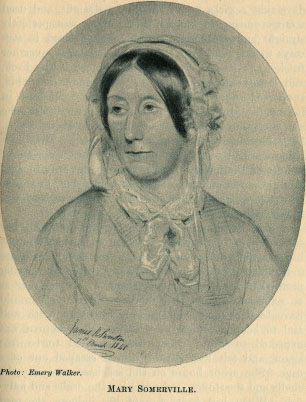 Mary Somerville, mathematician, astronomer, and renowned science writer, one of the first women elected to the Royal Astronomical Society.
 -
 Elizabeth Fry, Quaker minister and prison reformer, defined the role of female philanthropist in the early nineteenth century.
 -
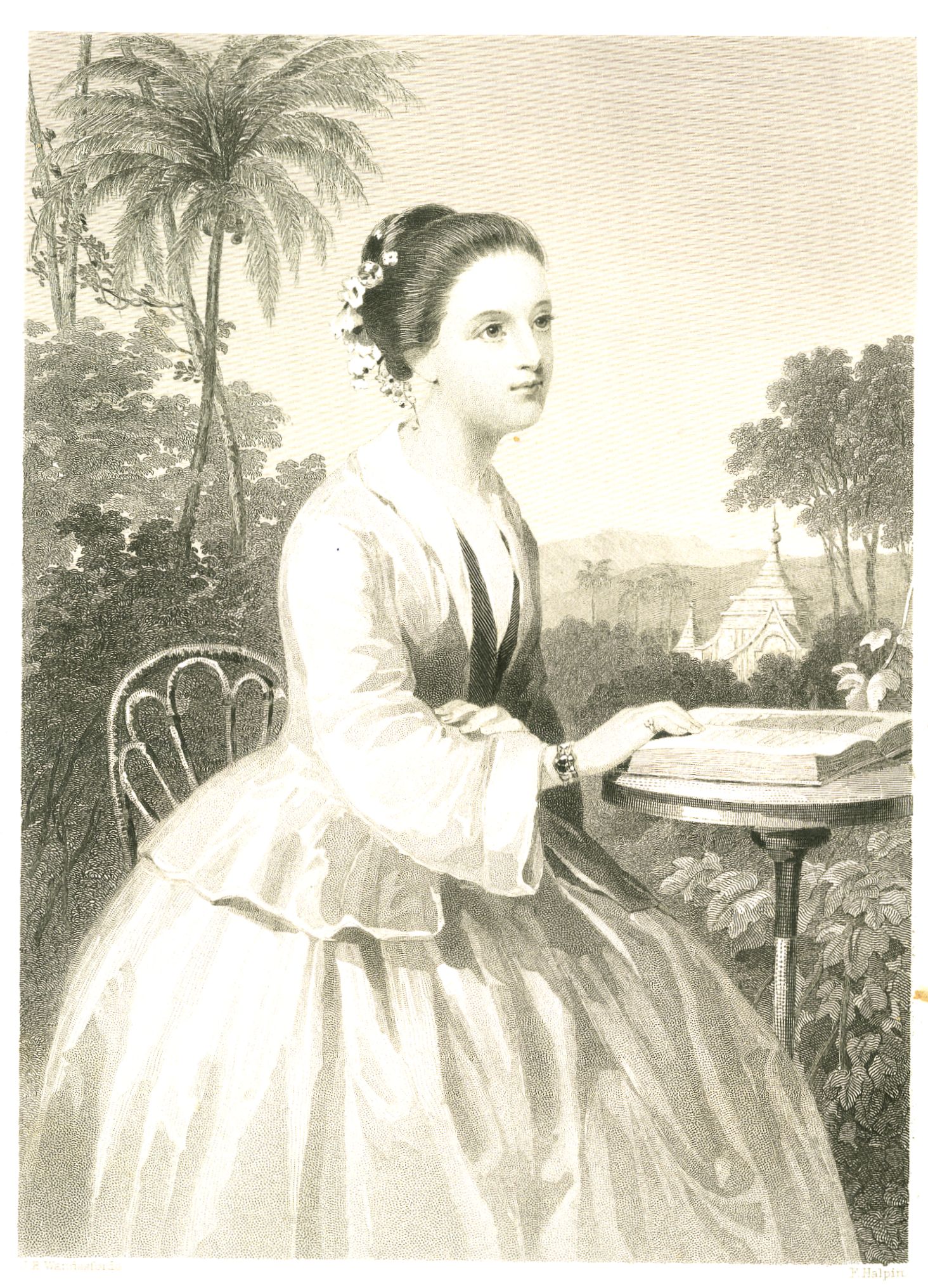 Ann Hasseltine Judson, the most famous of the first American women missionaries to the "East," an eloquent writer and martyr.
 -
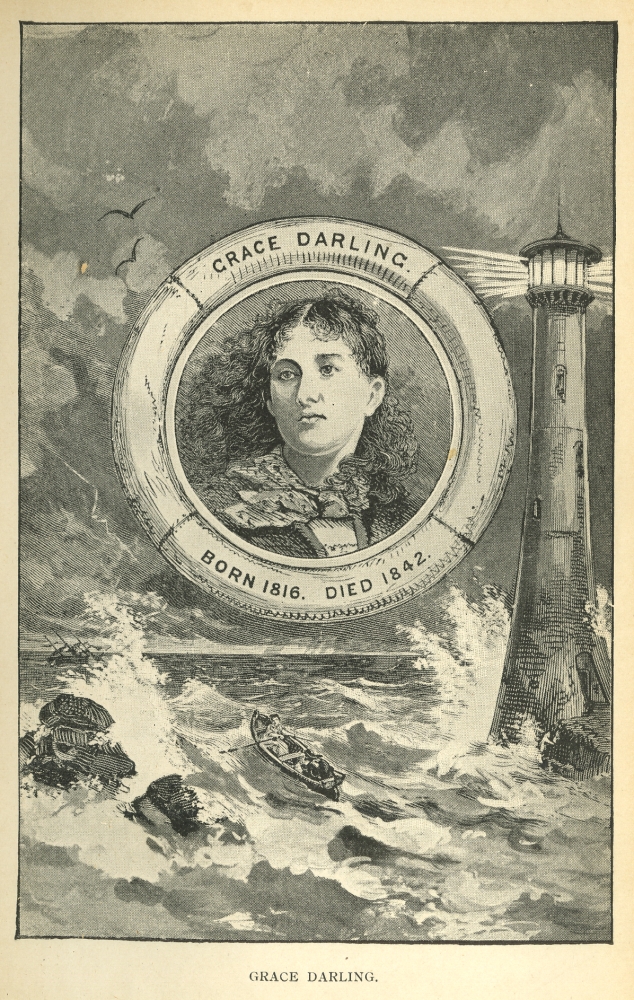 Grace Darling, lighthouse keeper's daughter, became a celebrity for rescuing survivors of a shipwreck.
 -
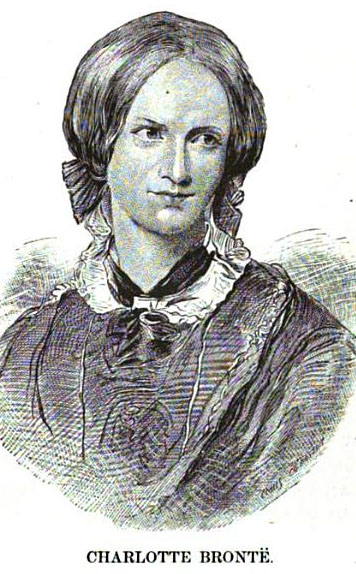 Charlotte Brontë, the famous novelist, became a Victorian ideal of self-sacrificing yet triumphant feminine genius, in contrast with sister Emily.
 -
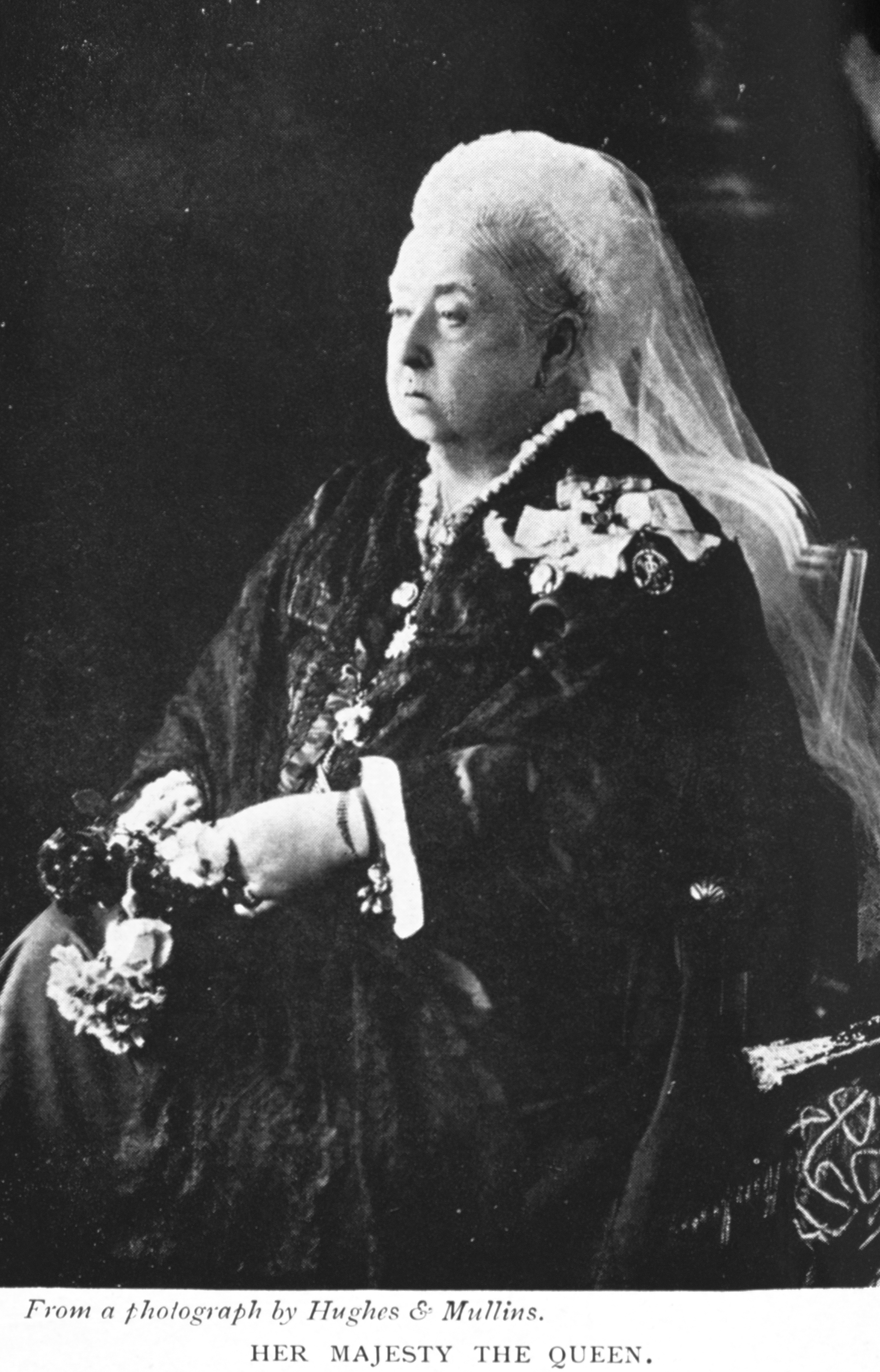 Queen Victoria reigns over Victorian collections of women's lives much as she represented an empire and an era.
 -
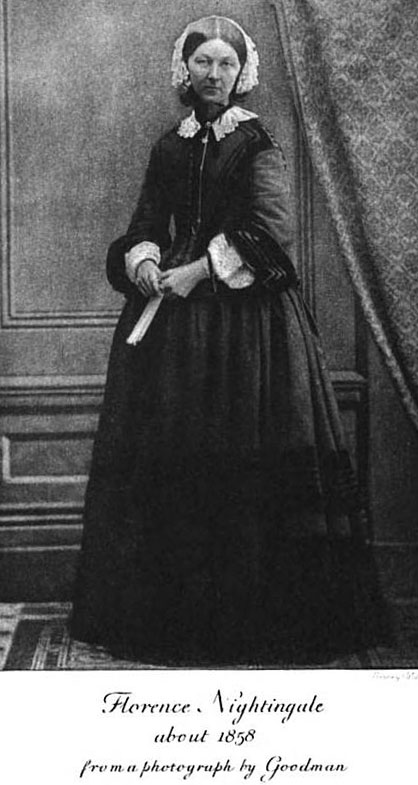 Florence Nightingale defined the nursing profession and captured the public imagination.
 -
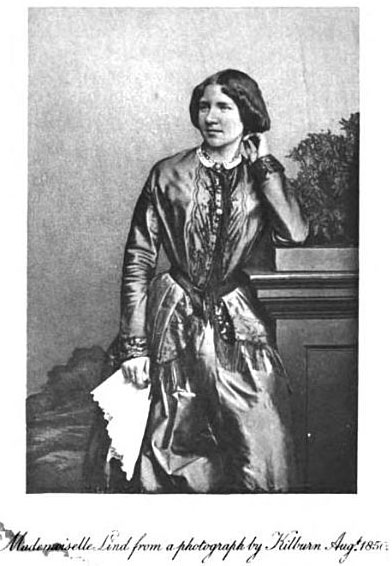 Jenny Lind, world-famous as "the Swedish Nightingale," opera singer who rose from the people.
 -
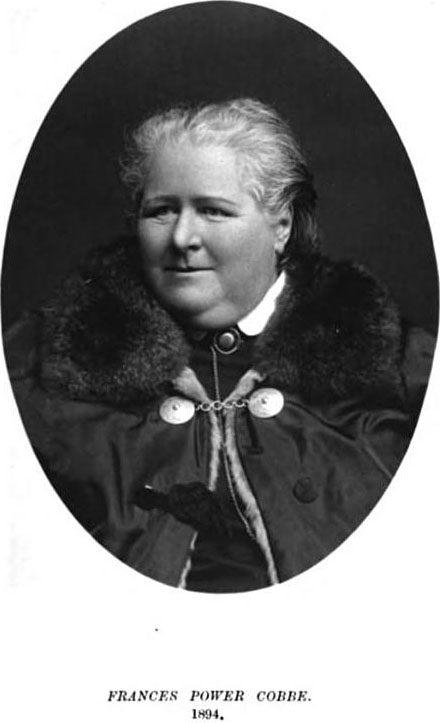 Frances Power Cobbe, incisive social critic, forerunner of lesbian feminist animal-rights activists today.
 -
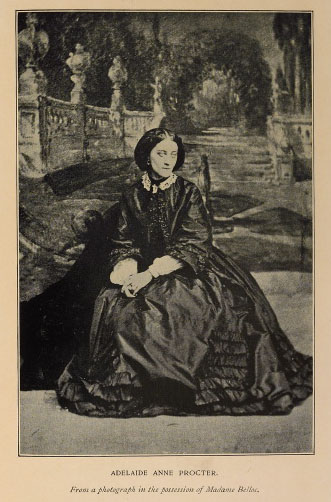 Adelaide Procter, renowned Victorian poet, daughter of the writer "Barry Cornwall"; a Catholic convert who died young.
 -
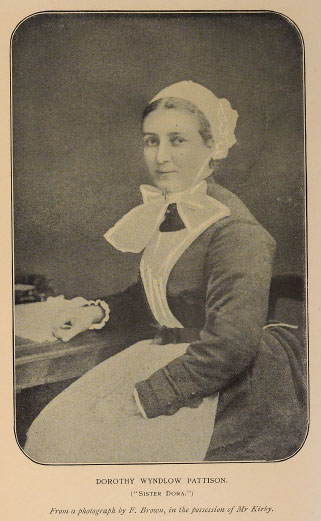 Sister Dora emulated Florence Nightingale as a nurse-administrator but in an industrial hospital near Birmingham.

Collective Biographies of Women is a project of Alison Booth, Professor, Department of English of the University of Virginia
and Associate Fellow, Institute for Advanced Technology in the Humanities. It is part of NINES, a
consortium of digital scholarship in nineteenth-century studies. The Scholars' Lab supports digital scholarship through the University of Virginia Library.
Contact us